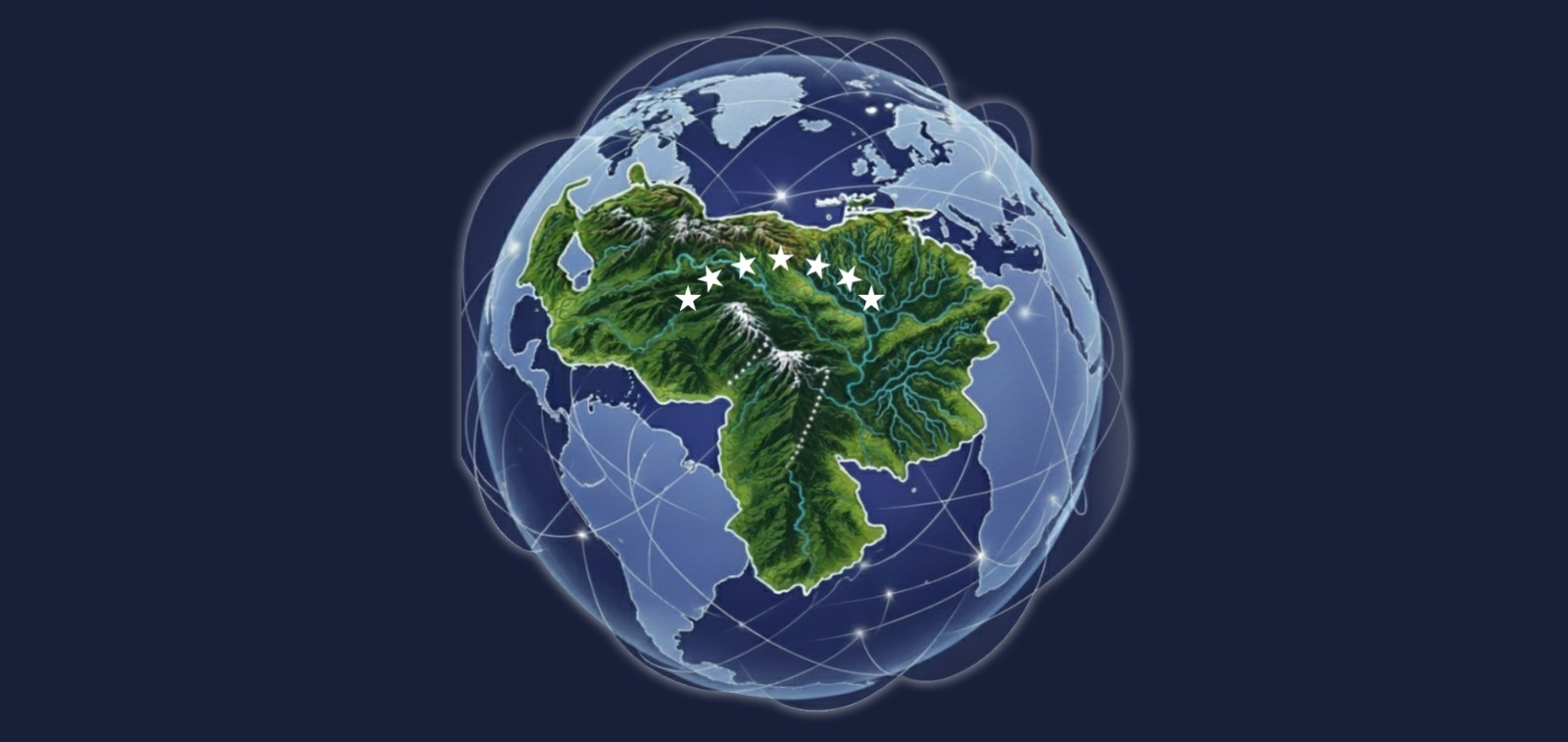
Image Credit: AI generated content by Gerd Altmann via Pixabay.
An Unexpected Silence
It happened gradually, over seven months between one position and my next role. At first, I didn’t realize what I had lost. As a Spanish speaker it wasn’t only my job—it was my English-speaking self.
Suddenly, the rhythm of my thoughts, the cadence of meetings, and the structure of my days shifted into my native language. It felt strange, as if a part of my professional identity had gone quiet.
Fortunately, I found my way back through writing—by engaging in professional networks, reflecting publicly on my journey, and rediscovering the voice that once connected me to global collaboration.
.
Another Language, Another Mind
My father used to say that a language is an additional way of thinking. I didn’t understand it then, but over time it became the framework of my career.
As a teenager, I learned English not through formal education but through curiosity—music, TV sitcoms, and film. My country taught English as a school subject, but rarely to the level of bilingual proficiency. So I taught myself through what fascinated me.
Later, a summer in Montreal expanded my confidence in conversation. It sparked also an interest in French, though destiny pulled me elsewhere. That experience taught me something deeper: every language opens not just communication, but a new cognitive map.
When I began studying Geography at university, that map expanded again. As a research assistant in climate classification systems, I encountered Wladimir Köppen’s original work—written in German. My short-lived attempt to study German gave me just enough foundation to navigate the original sources. I realized that understanding the language of science was just as essential as understanding the science itself.
That moment changed everything. It taught me to decode meaning beyond language—to interpret context, structure, and logic, even in unfamiliar territory.
How English Became My Professional Architecture
By the time GIS entered my life, I was already comfortable in English. It became a professional superpower at Esri Venezuela, my first employer.
I was hired largely for my language skills—my ability to translate between systems, people, and technologies. English opened access to certifications, documentation, and the global body of GIS knowledge. It was more than communication; it was a technical bridge.
But I didn’t grasp the full weight of that skill until years later, when I joined an American engineering firm in the renewable energy industry. There, English was no longer an asset—it was the operational core.
For the first time, I felt the duality of working across worlds. I was equally at home in both, but I also sensed how language defines professional belonging. Some of my Spanish-speaking peers stayed within regional teams; I naturally gravitated toward the global group, bridging cultures through communication.
Gaining Fluency in Technical English
My path to fluency wasn’t formal—it was iterative, contextual, and curiosity-driven. As a GIS instructor early in my career, I immersed myself in technical documentation written exclusively in English where all resources became my daily teachers. Over time, the vocabulary that once felt foreign became a second intuition.
Here’s what I recommend:
- Immerse in authentic materials. Manuals, scientific papers, and whitepapers provide real-world context that builds intuition.
- Work with software in English. Interface immersion helps your brain link terminology with function.
- Practice active reading. Take notes, paraphrase, and explain aloud to solidify understanding.
- Follow your curiosity. Let genuine interest—whether climate, GIS, or AI—drive vocabulary growth.
- Be patient. Fluency is cumulative; every dataset, document, and conversation adds another layer.
Through this process, English evolved from a skill to a thinking framework—a language of systems and precision that paralleled how I think spatially.
A Secret Dream Unveiled
Working in English was never an explicit goal—it was a dream that revealed itself over time. Every step subtly prepared me for a future I didn’t yet imagine.
That dream took form during my first technical presentation to executive leadership. Standing before Anglo-Saxon professional spaces explaining GIS architecture, I realized I was communicating not just expertise, but identity.
Those sessions were mentally demanding—navigating specialized vocabulary, code-switching mid-sentence, translating context in real time. Yet, within that cognitive intensity, I felt entirely in my element. Fluent in technical collaboration and cross-cultural dialogue.
There’s a distinct hum that activates in my mind when I work in English—a rhythm of reasoning, clarity, and precision that feels almost architectural. It’s not just a language; it’s the bedrock of my professional self.
Bridging Worlds, Honoring All Selves
Choosing between professional selves isn’t really a choice—it’s a recognition of complexity.
Each layer—linguistic, creative, technical—adds dimension to how I think and work.
Today, I understand that my identity is bilingual not just in language, but in mindset. The analytical rigor of executive English and the creative fluidity of my Spanish persona coexist, shaping a holistic professional narrative that feels entirely mine.
Mastering technical English has been more than an academic milestone—it has been a lifelong process of building a thinking architecture that transcends borders and disciplines. The same language precision I learned from my father now guides every map caption I write.
From My Lens
There’s a quiet satisfaction in realizing that our languages—spoken, visual, or spatial—are all extensions of how we see the world.
English gave me a voice in global GIS conversations; Spanish grounds me in the creativity of lived experience.
Together, they define a bridge identity that is both analytical and human.
And perhaps that’s what every map, every system, every professional journey really is—a conversation between two coordinates, seeking connection.
If you’re ready to align your multilingual strengths and professional clarity for the next stage of your GIS journey, book a GIS Clarity Session.
Together, we’ll translate your experience, map your direction, and design a strategy that honors every layer of your career story.
🧭 Continue Reading