Image Credit: Laptop by StockSnap. Image via Pixabay.
The conversation around remote work often swings between two extremes: the perceived liberation of pajamas and adjustable hours, and the silent struggle of isolation. My own journey across diverse professional environments has taught me that the essence of effective online work lies far beyond flexible dress codes or coffee talk between meetings.
Whether it’s within an employment relationship or as a freelancer, the true essence of a virtual working persona isn’t about webcams or maximizing individual productivity. It’s about aligning around a clear vision and finding your own rhythm and flow.
Turning Point: Sudden Lockdown
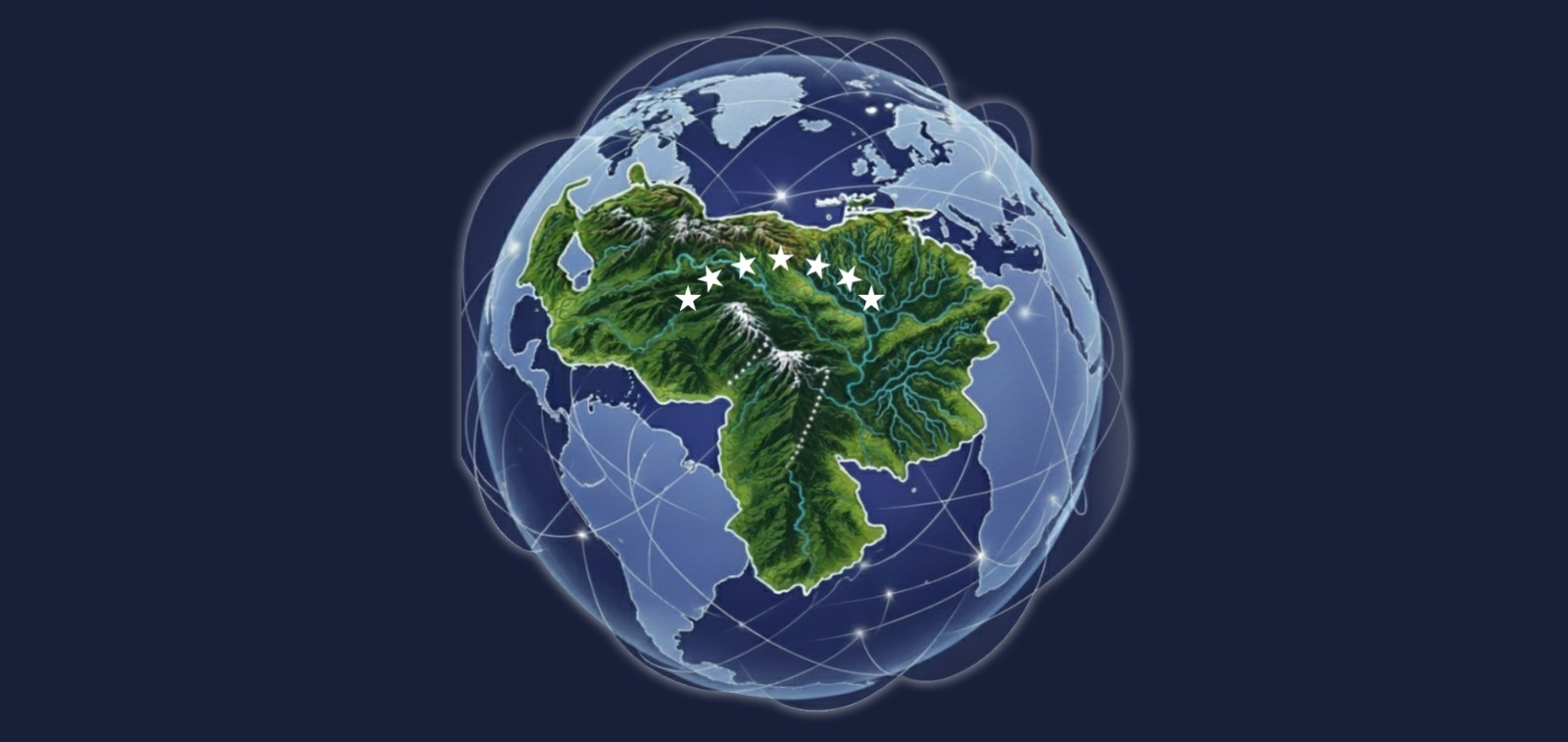
Back in March 2020, I was working in Caracas for a Venezuelan environmental NGO, consulting on geospatial land-use analysis for a regional Amazon project. News of a rapidly spreading virus felt distant at first. But as a geographer, I knew proximity is not just about physical distance—it’s about relationships.
When travel restrictions and lockdowns reached us, we already had remote protocols in place. What was meant as a precaution of “just a few days at home” extended into months. Surprisingly, the team adapted well: projects stayed on track, workflows shifted, and we found balance in new ways.
My own strategies included:
- Setting clear hours and availability.
- Summarizing tasks and findings daily.
- Maintaining weekly touchpoints on methodology and deliverables.
- Participating actively in monthly reviews to keep projects aligned.
That discipline became the backbone of my remote work practice.
The Courtesy of Soft Skills
Later, in a mid-size engineering firm based in Texas, I learned that remote work isn’t only about efficiency—it’s about connection.
Some of the soft skills that shaped my adaptation were:
- Assertive Communication: asking for help, making sure contributions are visible, and reducing misunderstandings.
- Problem-Solving: navigating technical or workflow challenges with autonomy.
- Time Management: creating focus and flow without constant oversight.
But I also discovered new ones mattered just as much:
- Adaptability: adjusting to different cultural expectations in virtual collaboration.
- Creativity: finding ways to bridge distance beyond formal meetings.
- Teamwork: showing reliability, consistency, and presence even across time zones.
Purpose-Driven Schedule
One of remote work’s greatest appeals is autonomy—the freedom to structure your day around your best energy. True autonomy, though, is not about the absence of a schedule. It’s about creating one that aligns with your natural rhythms, supporting both performance and well-being.
For me, this means:
- Aligning demanding tasks with “brightest prime time” cognitive hours.
- Redefining productivity as focused work periods—not hours chained to a desk.
- Taking strategic breaks that refresh energy instead of distracting from it.
- Embracing the advantages of weaving personal and professional life with intention.
Closing Reflection
After nearly four years of remote work, I’ve come to see it not as a temporary fix, but as a professional model that fits the way I work best, all focused, agile, and connected across borders.
Remote work is not just about where we sit; it’s about how we connect, how we respect shared digital spaces, and how we show up with presence. With the right mix of structure, empathy, and creativity, remote collaboration becomes not only sustainable—but deeply human.
If you’re exploring how to build remote-ready, human-centered workflows in your organization, book a GIS Clarity Session to explore strategies that align technology with people.
🧭 Continue Reading