Image Credit: AI Generated by Peter_Middleton. Image via Pixabay.
I did my homework and read career descriptions before choosing my degree, but even then, it wasn’t entirely clear what I would become as a Geographer. While introductory classes grounded me in geographic thinking, the full scope of its potential revealed itself gradually. By the time I advanced into specialized workshops, I began to see the outline of my future: collaborating in interdisciplinary teams, integrating diverse variables, and using a shared spatial language to build comprehensive visions for different audiences.
At the time, many assumed I would become a teacher. And although I explored that path lightly as an undergraduate, my first formal step was unexpected: becoming an instructor at the official distributor of the world’s leading GIS development company. That role defined the direction of my early career and opened the door to a transversal approach to geographic analysis that proved essential across multiple fields. It led me into environmental assessment for large-scale projects, agricultural and transportation management for situational rooms, climatic research for spatio-temporal analysis, machine learning for land-use mapping, and more recently, site selection for renewable energy.
A Lens to Understand the World
The beauty of studying geography lies in its inherent connection to both natural and social systems. Geographic thinking enables analysis at multiple scales. At a regional level, it can reveal the relationship between natural events and their environments. The territorial impact of an earthquake: its magnitude, location, and consequences for surrounding populations is a clear example of how this science helps us understand real-world interactions.
Social phenomena, like the global spread of contagious disease—as we experienced with COVID—also illustrate the role of spatial distribution patterns in understanding complex dynamics. Even human behavior and demographic shifts can be mapped, analyzed, and interpreted.
When shifting to local contexts, geographic thinking transforms. Urban engineering projects become ideal examples for constraint analysis, while rural studies might focus on the extensive footprint of oil exploration, revealed through thematic maps and overlapping spatial layers.
This adaptability extends to modern industries. Consider distribution channels of commercial brands or the strategic placement of retail locations based on consumer density, applications that live under the growing umbrella of geomarketing.
A Glimpse into Geomarketing
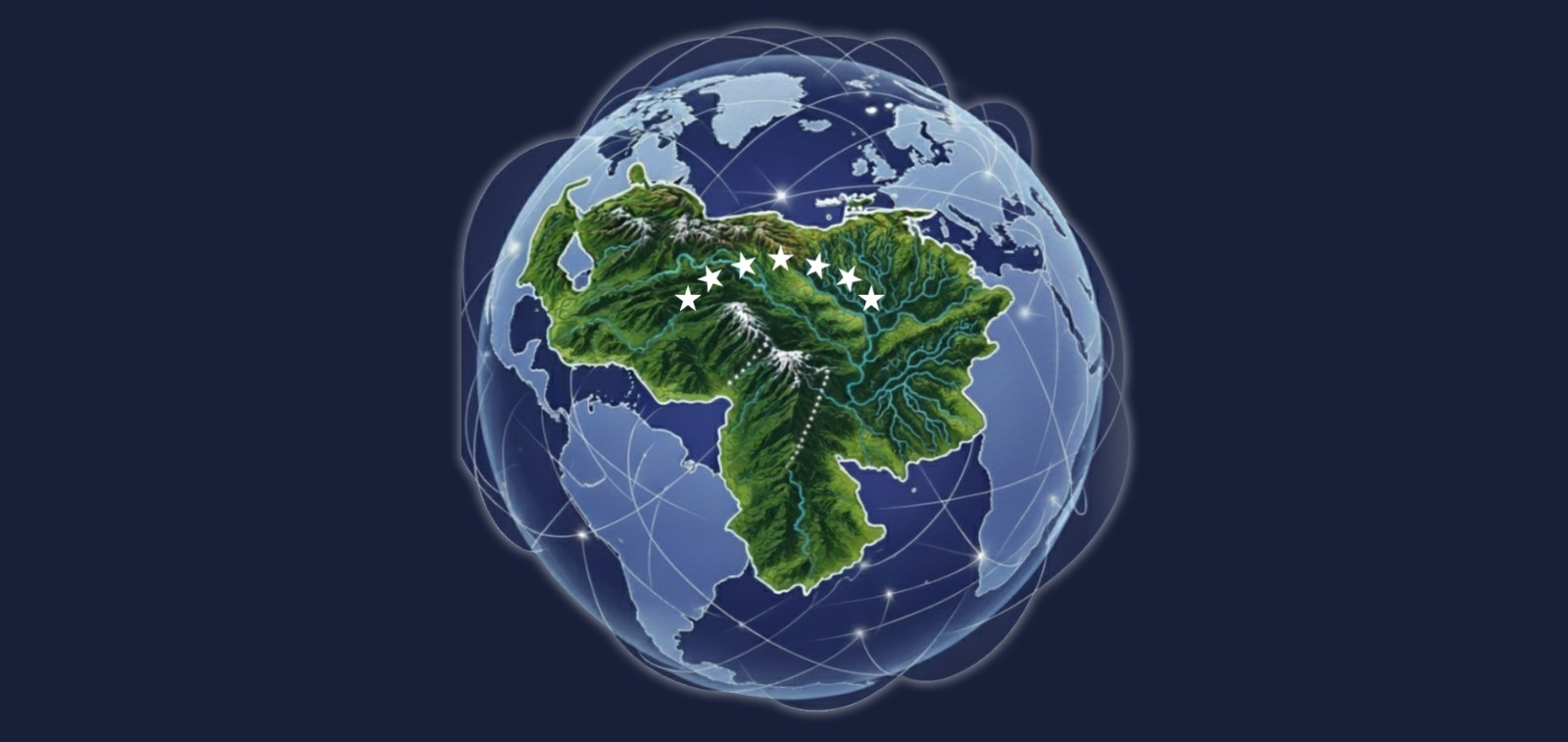
I remember my first professional encounter with commercial distribution analysis as a solution architect. I designed a demo for the Venezuelan office of a German research-driven global pharmaceutical company. Their marketing team was seeking innovative ways to enhance decision-making, and in just one hour, I demonstrated how GIS could provide real business value.
That moment sparked a deep fascination with geomarketing. Although I didn’t pursue it as a primary specialization, it became a defining area of interest, one that expanded the industries I supported and enriched my perspective on spatial intelligence.
A Creativity Journey Becomes Geography of Influence
Parallel to my professional career, I have spent more than half my life cultivating an artisan practice. It has never been a casual pastime but rather a structured, evolving project shaped by curiosity, discipline, and creative intent. While far removed from traditional GIS, it strengthened essential skills: personal project management, intuitive problem-solving, and the capacity to deliver meaningful, independent initiatives.
This experience adds a unique dimension to my geographic mindset and strategic thinking, especially in creative industries and entrepreneurship.
It has led me to explore questions such as:
- What happens when you scale geographic thinking down to the level of a handmade project?
- How do you map the intangible yet traceable influence of an individual or a personal brand?
- What defines the impact of a creator, entrepreneur, or niche expert beyond income or digital metrics?
As someone who has managed a crochet small business for nearly two decades supported indirectly by understanding geographic patterns, the idea of mapping my clients, providers, shipments, and network feels intuitive. At some point, they form patterns. I became my own geostrategic consultant.
Closing Reflection
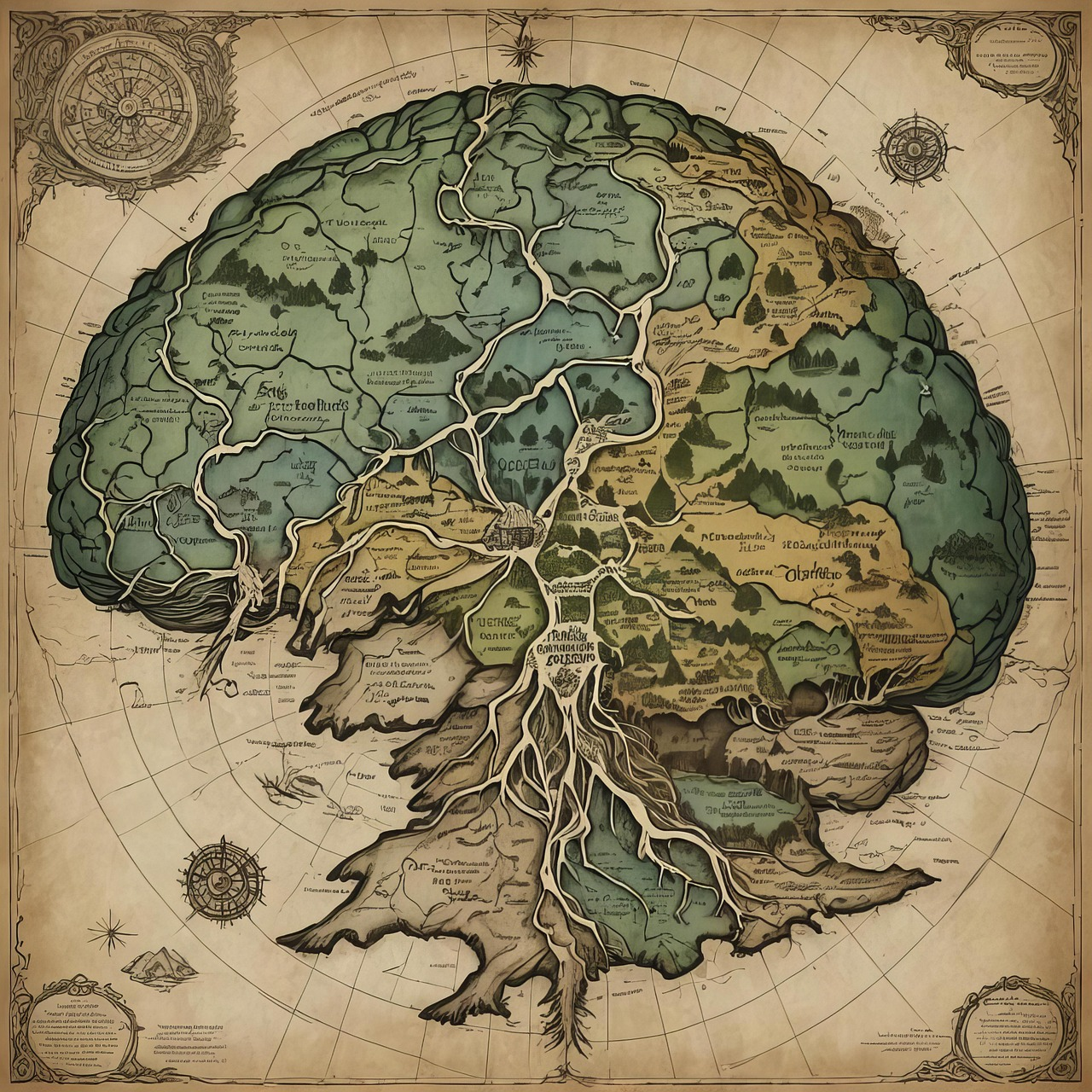
Geographic thinking is both a toolkit and a practice. It scales from large territorial systems down to the intimate geography of a personal project. That is the architecture I aim to build with teams and professionals: systems that preserve knowledge and practices that transform curiosity into measurable impact.
If this resonates and you want to explore practical ways to build a resilient GIS architecture for your organization or career, you can book a Discovery Call for a Spatial Strategy Partnership.
🧭 Continue Reading