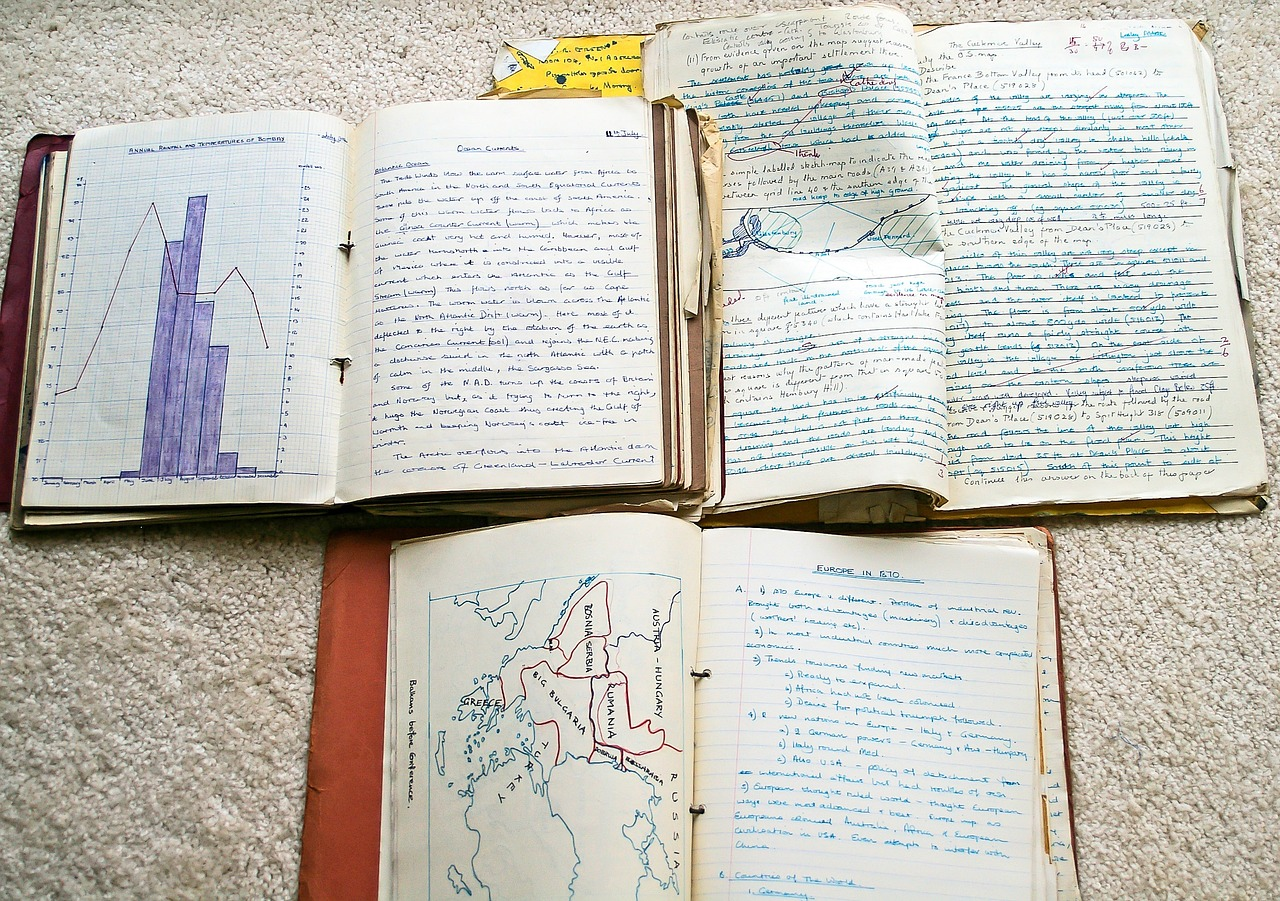
Image Credit: School, Booksm Excersice, Geography by Sandid from Pixabay.
The Hidden Cartography of a Career
In the GIS field, we spend a lot of time mapping the world for others. We layer data, define borders, and analyze relationships. However, when it comes to our own careers, we often fly blind.
In my transition from GIS manager to independent consultant, I realized that every successful geospatial professional is actually navigating three distinct maps simultaneously.
Most of us spend 90% of our energy on the first map. Then, some of us discover the second map later in our careers. Yet, very few master the third—and that is why so many senior professionals burn out or get stuck in the Map Factory.
1. The Map of Skills: The “What”
This is your technical terrain. It includes Python scripting, spatial ETL, geodatabase architecture, and Remote Sensing analysis.
This map shows what you can do. While it is essential, it is also commoditized.
In the modern GIS market of 2026, “knowing the software” is the baseline, not the differentiator. Therefore, if you only navigate by this map, you will always be an operator.
2. The Map of Story: The “Why”
This is your narrative layer.
It connects the dots between your scattered experiences. For instance, it explains why a background in biology makes you a better environmental analyst. Furthermore, it demonstrates why your time in database management makes you a better strategist.
This map shows why you matter. Ultimately, it gets you the interview and the seat at the table.
3. The Map of Boundaries: The “How”
This is the map most professionals ignore until it is too late. In GIS, we love to say “yes.”
- “Can you add this layer?” Sure
- “Can you change the projection?” No problem.
- “Can you do it by tomorrow?” Yes
But a strategy without borders isn’t a strategy; it’s just a pile of requests. Consequently, the Third Map defines your operational standards.
It defines the following:
- The Scope: “I don’t start the analysis until the data schema is approved.”
- The Role: “I am a partner in the solution, not just a producer of the output.”
- The Value: “I don’t deliver ‘quick maps’; instead, I deliver decision support.”
The Strategic Takeaway: Professional Sovereignty
As a seasoned professional, the most dangerous thing you can do is let other people draw your borders. Because if you don’t define your scope, your organization will define it for you—usually as “everything, right now.”
Defining your boundaries isn’t about being difficult. On the contrary, it is about Professional Sovereignty. It is the difference between a technician who is managed and a consultant who leads. It’s time to draw the line.
Are you navigating with an incomplete map?
If you have the Skills and the Story, but you still feel overwhelmed or undervalued, you are likely missing the Map of Boundaries.
In a GIS Clarity Session, we don’t just review your résumé. In fact, we audit your operational standards. We define the terms of engagement that turn you from a Service Provider into a Strategic Asset.
(Let’s define your territory before someone else does.)
🧭 Continue Reading: